Wearing Meaning Through Subtle Body Language
Clothing does more than cover the body—it frames presence, amplifies gestures, and sets the tone for unspoken communication. Men’s clothing, when thoughtfully chosen, becomes part of the subtle signals expressed through posture, stance, and motion. Gesture wear is not just about garments; it is about how attire interacts with silent body language to create identity and impact.
The Connection Between Clothing And Expression
Every outfit contributes to the nonverbal story men tell. A tailored jacket sharpens the shoulders, suggesting authority, while relaxed cotton shirts soften movements and express ease. Clothes alter how gestures appear—an assertive handshake feels bolder with structured sleeves, while a casual lean feels effortless in draped fabrics. In essence, style choices extend beyond fabric; they translate personality into physical cues without words. When men begin to see clothing as an amplifier of body language, they elevate style into a form of expression rather than just a daily necessity.
How Outfits Influence Presence And Posture
Garments influence the way men stand, sit, and walk. Structured clothing promotes upright posture and a sense of control, while fluid outfits encourage natural, relaxed movement. Small details—cuff lengths, collar structure, or pant fit—affect how the body aligns and how gestures are framed. Presence is not dictated by words alone; the quiet collaboration of clothing and movement projects confidence, humility, or power in subtle harmony.
Dressing As A Form Of Silent Conversation
Style becomes dialogue when paired with body language. A man entering a room in monochrome layers and calm posture projects composure, while vibrant hues matched with animated gestures reflect energy and openness. Neutral shades paired with slow, steady movements suggest calm strength, while textured fabrics worn with deliberate gestures add depth. Every outfit choice becomes part of this unspoken conversation, guiding how others perceive presence before words are even spoken. In professional or social settings, these silent conversations often influence first impressions long before verbal exchanges take place.
Building Identity Through Gesture Wear
Gesture wear emphasizes the union of clothing and expression to build identity. Men who understand this connection craft wardrobes that not only fit occasions but also reflect their inner state. Whether it’s a blazer that sharpens lines for leadership, or minimal cotton wear that flows with everyday gestures, outfits shape impressions and leave lasting influence. Mastery of gesture wear lies in seeing fashion not just as fabric, but as a language written through movement and presence. Clothing, combined with conscious gestures, becomes a bridge between inner character and outward presentation.
Conclusion
Men’s clothing does more than define style—it amplifies meaning within gestures and body language. By viewing attire as part of silent communication, men create a balance between who they are and how they move. Gesture wear teaches that fashion is not only worn but expressed, making every outfit an extension of the self without the need for words. The ability to merge clothing and body language allows men to shape impressions with intention, creating lasting impact through subtle yet powerful expressions.
Trending Topics
Stay Trendy with Our Latest Insights
Wearing Meaning Through Subtle Body Language
Clothing does more than cover the body—it frames presence, amplifies gestures, and sets the tone for unspoken communication. Men’s clothing, when thoughtfully chosen, becomes part of the subtle signals expressed through posture, stance, and motion. Gesture wear is not just about garments; it is about how attire interacts with silent body language to create identity and impact.Every outfit contributes to the nonverbal story men tell. A tailored jacket sharpens the shoulders, suggesting authority, while relaxed cotton shirts soften movements and express ease.
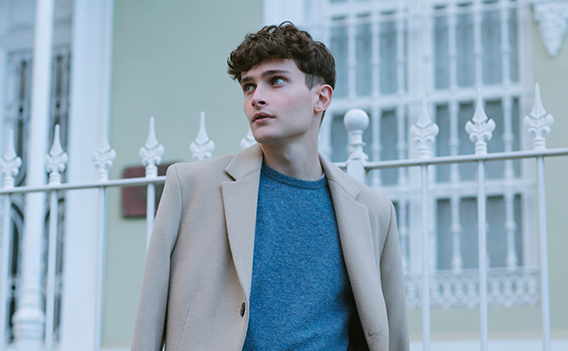
Orbits Of Style That Reimagine Dressing
Fashion for men has entered a space where clothing no longer revolves around rigid traditions but rather expands into new orbits of expression. Shapes, outlines, and cuts have grown beyond simple function, transforming into creative choices that reflect individuality and evolving identity. Dressing today is not just about covering the body; it is about designing a personal universe where every silhouette contributes to a distinct message. The orbits of style are continuously reimagining what it means to dress with intention, confidence, innovation, and modern awareness.

Outfits That Bloom Like Living Flowers
Fashion for women has always been more than clothing; it is a reflection of identity, growth, and beauty. Much like flowers, every outfit carries its own essence, blooming differently with the person who wears it. Just as petals unfold to reveal their charm, women’s clothing evolves in layers, patterns, and silhouettes that express individuality and confidence. Clothing becomes a second skin, quietly echoing the natural cycles of change, transformation, and renewal, just like blossoms that return season after season.